
A New Baby, a Mother Who Needs Care Too: Rethinking Postpartum Recovery
By Susy Caracas | Founder of Baby N Doula Care

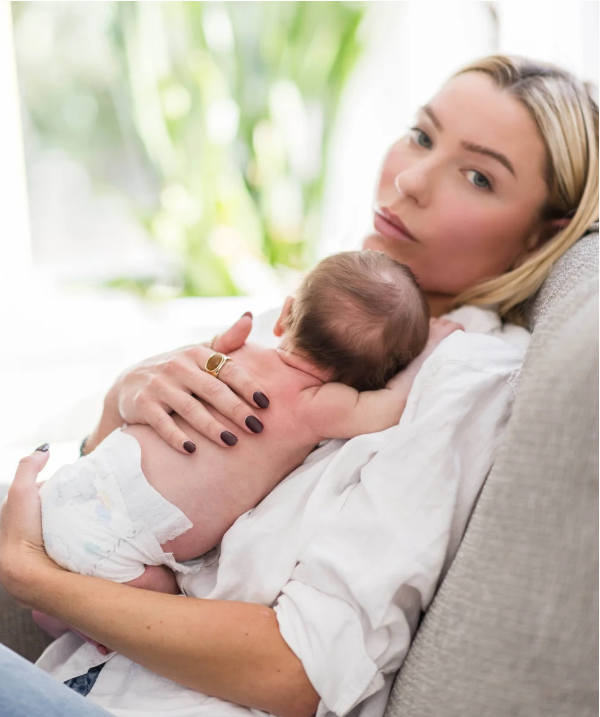
You have prepared for your baby's arrival but who is preparing to care for you? Postpartum recovery deserves a place on every family's birth plan, with time for rest, nourishing meals, emotional support, and guidance through newborn care. As the founder of Baby N Doula Care, I believe thoughtful postpartum doula support in Orange County begins with seeing both the baby and the mother. While you learn your baby's needs, your own deserve to be heard, understood, and cared for, too.
Through my work with newborns and their families, I have learned that some of the most meaningful care happens in everyday moments: listening to a mother's concerns, helping her feel more confident with feeding, or making it possible for her to rest.

As a Certified Postpartum Doula, Advanced Newborn Care Specialist, and Certified Lactation Educator, I bring hands-on experience, specialized knowledge, and a commitment to continued learning to my role at Baby N Doula Care. These experiences shape my approach to supporting each family's recovery and transition into life with a new baby.
My learning through Postpartum University®, founded by Maranda Bower, has encouraged me to look even more thoughtfully at that space. Her Postpartum Restoration Method™ brings attention to the connections between physical recovery, nourishment, stress, rest, daily rhythms, and the personal transition into motherhood. What stays with me is the importance of seeing the mother as a whole person, with needs that extend beyond the next feeding or diaper change.

Postpartum recovery unfolds over time. A mother may be healing from birth while learning to feed her baby, navigating interrupted sleep, and adjusting to changes in her relationships and responsibilities. The American College of Obstetricians and Gynecologists recommends ongoing, individualized postpartum care that addresses physical recovery, mood, feeding, sleep, and fatigue. This broader view helps explain why one appointment or a simple instruction to “get more rest” cannot meet every need. ACOG: Optimizing Postpartum Care
In a family's home, this perspective begins with small, meaningful questions. Have you had something to eat? Is there a time today when someone else can take over so you can rest? Is anything worrying you? Sometimes, the most helpful next step is making food easier to reach or taking care of the baby while a mother showers. Other times, it is encouraging her to bring a concern to her healthcare provider. Listening helps us understand what kind of support is actually needed.

Rest is one of the clearest examples. “Sleep when the baby sleeps” sounds simple, but a mother may be using those same quiet minutes to pump, wash bottles, answer messages, or think about everything that still needs to be done. Rest becomes more possible when someone takes responsibility for a specific task. A partner might handle diaper changes and settling after a feeding. A trusted relative might prepare a meal. A postpartum doula might provide an agreed period of infant care. Overnight support should always fit the baby's feeding needs and the mother's feeding goals, with guidance from the appropriate healthcare or lactation professional when needed.

Nourishment also deserves a place in the plan. Regular access to satisfying meals,
snacks, and water can be difficult when a newborn needs frequent care. For breastfeeding mothers, nutritional and energy needs change; the CDC emphasizes adequate nutrition and notes that individual needs vary. In everyday family life, support can be as practical as arranging meal deliveries, stocking easy foods, and making sure the mother has time to eat. Specific concerns about deficiencies, supplements, or ongoing digestive symptoms belong with a qualified clinician or registered dietitian. CDC: Maternal Diet and Breastfeeding
There is another kind of care that does not appear on a feeding log: being able to speak honestly. A mother can love her baby deeply and still feel overwhelmed, frustrated, or unfamiliar to herself. She may need someone to listen without rushing to reassure her or expecting her to sound happy. I want the families we support to know there is room for those conversations. Asking what would make today easier can be more useful than assuming we already know.

At the same time, depression and anxiety deserve professional attention. They cannot be explained away as poor nutrition or a lack of rest. The National Institute of Mental Health describes perinatal depression as a treatable condition with multiple contributing factors. Symptoms that are severe, interfere with everyday functioning, or persist beyond the first two weeks should be discussed with a healthcare provider; there is no need to wait if something feels wrong. Doula support can complement treatment and help a family connect with care. NIMH: Perinatal Depression
As the days begin to blend together, a few dependable moments can offer structure. Breakfast is ready in the morning. A partner takes over for an agreed care period. Visitors come when the mother feels ready for company. These are simple arrangements, but they give support a place in the day. With a newborn, routines need room to change. The aim is to make meals, personal care, and opportunities to rest easier to fit into real family life.

And then there is the woman who is becoming a mother, or becoming a mother again.
She may miss her familiar routine, her independence, or the ease of leaving the house. She may feel joy and uncertainty in the same afternoon. In my approach to postpartum care, there is room for all of this. A conversation, a quiet moment, or time for something she enjoys can help her stay connected to herself as she adjusts. Her experience does not need to look like anyone else's.
This is where the benefits of thoughtful postpartum support become tangible: a meal eaten while it is still warm, an opportunity to rest while someone trusted cares for the baby, a feeding question discussed, or a concern shared with the right professional. These moments can help parents feel less alone and more confident as they learn. For me, they are part of what it means to care for a family.

At Baby N Doula Care, I bring these reflections into the way I think about personalized postpartum and newborn support. Continued education helps me keep asking better questions and build on what years with families have taught me. Our role is to offer practical help, education, and a reassuring presence, while respecting each family's choices and working alongside the guidance of their healthcare team.
If you are preparing to welcome a baby in Orange County communities, include yourself in that preparation. Alongside the crib and the baby clothes, think about who will help with meals, when you might be able to rest, and whom you can call when you need support. At Baby N Doula Care, we would be honored to help you plan for those early weeks. Your baby deserves thoughtful care, and so do you. Explore our postpartum and newborn care services.
With appreciation to Maranda Bower and Postpartum University® for the educational insights shared in the Postpartum Restoration Method™ Reference Guide (2025). This article reflects my own professional perspective and practical approach to family support.
This article provides general education and does not replace individualized medical or mental health care.


Comments